Buying guide
What's the Best Cat Food in 2026? A Research-Backed Buying Guide
By Willa Hartley · Senior writer
Last updated
We earn commissions from links on this page, at no cost to you. Our picks stay independent. Prices are indicative and were last checked around publication — they change often, so confirm the current price on the retailer’s site. How we research & rank →
Our picks
Ranked, with the trade-offs
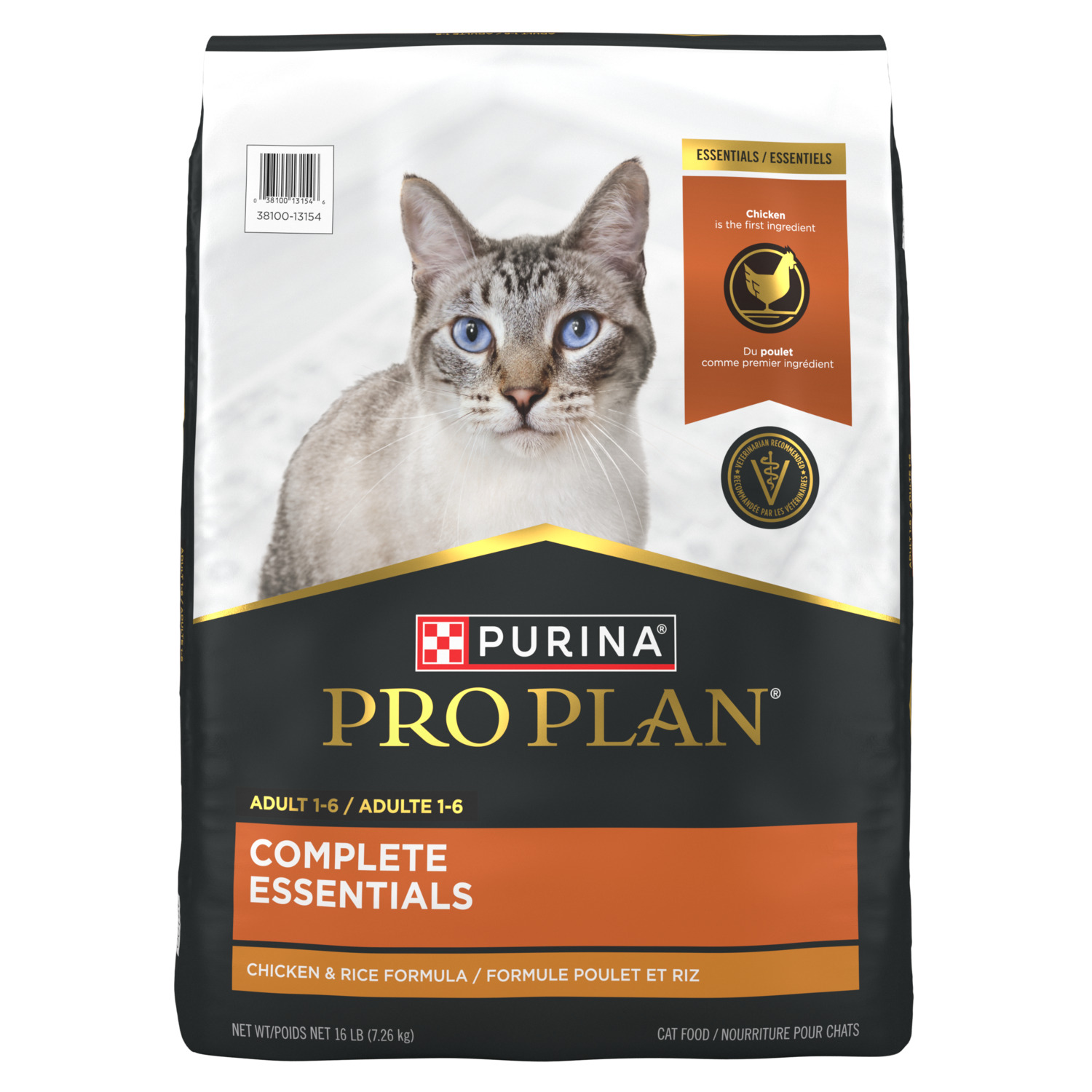
Purina Pro Plan Complete Essentials Chicken
from
$56.48
A vet-trusted, feeding-trial-backed dry food that pairs real chicken with live probiotics for everyday adult-cat nutrition.
Pros
- + Backed by decades of real feeding trials and board-certified veterinary nutritionists
- + High protein with real chicken as first ingredient plus guaranteed live probiotics
Cons
- – Contains corn protein meal and by-product meal that some owners prefer to avoid
- – Dry-only, so it offers little hydration compared to wet foods
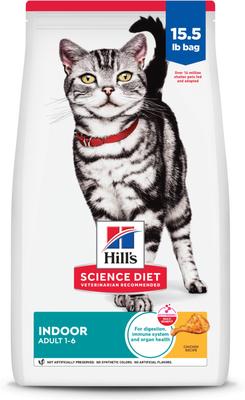
Hill's Science Diet Indoor Chicken
from
$63.99
A lower-calorie, higher-fiber kibble engineered specifically for the hairball and weight challenges of indoor cats.
Pros
- + Specifically formulated with lower calories and higher fiber for indoor lifestyles
- + U.S. veterinarians' #1 recommended brand, backed by AAFCO feeding trials
- + Fiber blend noticeably reduced hairballs in testing
Cons
- – Lower fat makes it less immediately palatable to some cats during transition
- – Uses corn and wheat as prominent ingredients
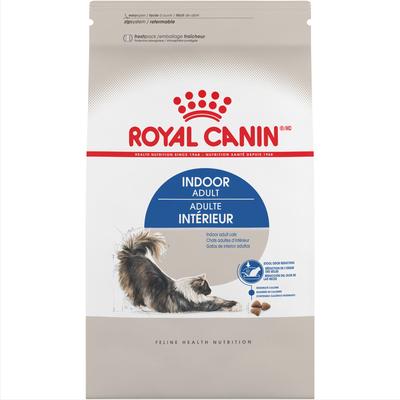
Royal Canin Indoor Adult
from
$23.99
A precisely formulated indoor-cat kibble from a brand with 200+ vet-developed formulas and rigorous quality testing.
Pros
- + Over 200 vet- and nutritionist-developed formulas with 500,000+ annual quality analyses
- + Tailored kibble shape, fiber, and nutrient balance for indoor cats
- + Available in small bags for trialing before committing
Cons
- – Relies heavily on corn, brewers rice, and corn gluten meal
- – Higher cost-per-pound when bought in small bag sizes
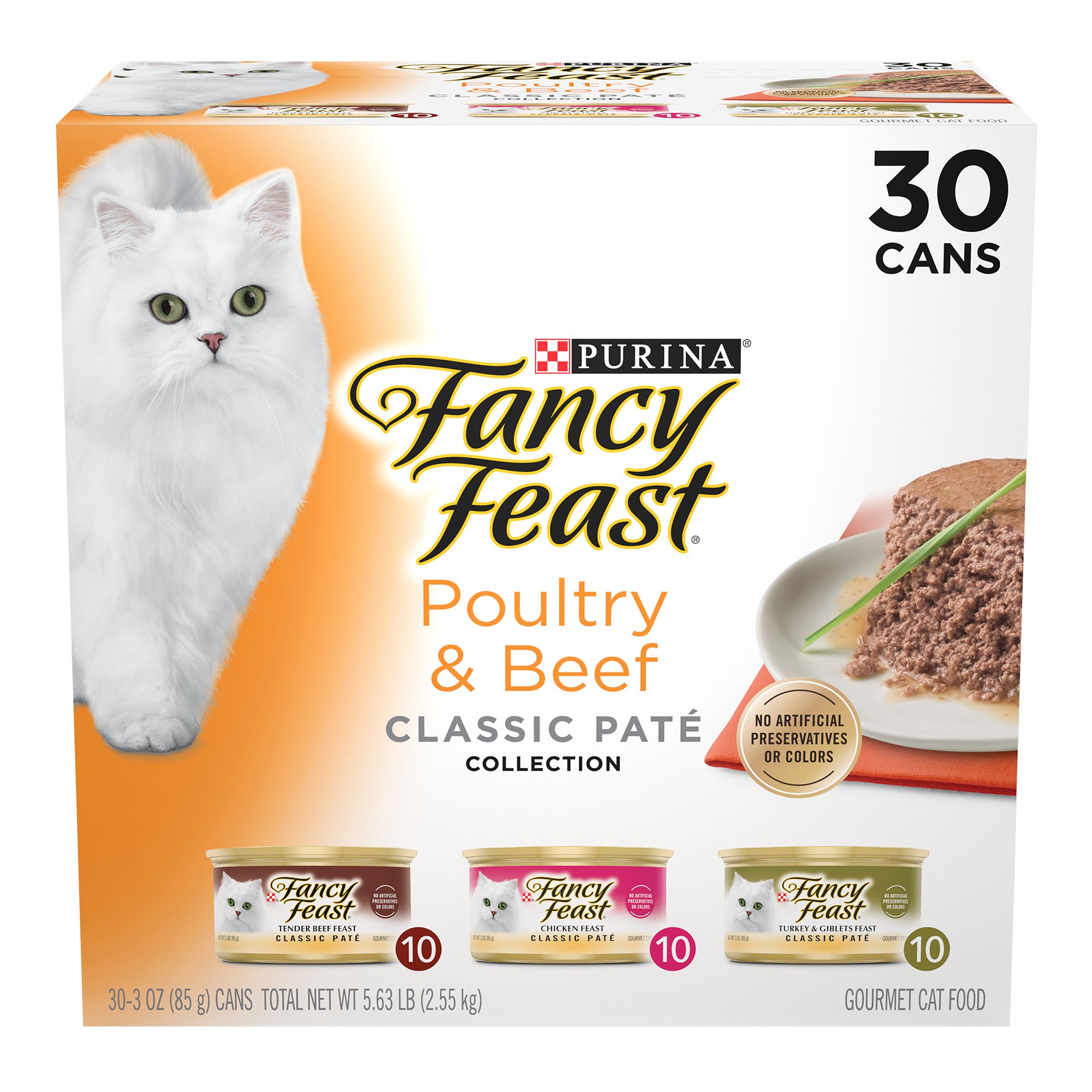
Fancy Feast Classic Poultry Beef Pate
from
$28.06
A grain-free pate variety pack that picky eaters reliably devour, with strong hydration from high moisture.
Pros
- + Broad flavor variety that picky cats reliably devour
- + Grain-free, made in U.S. facilities without artificial colors or preservatives
- + High moisture supports hydration and is easy for cats to eat
Cons
- – Contains meat by-products and added salt/guar gum
- – Lower protein percentage than some other wet foods
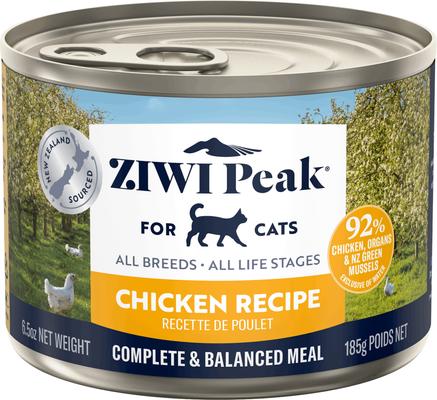
ZIWI Peak Chicken Canned
from
$64.98
An ethically sourced New Zealand wet food packed with meat, organs, and bone for a near-raw nutrient profile.
Pros
- + Very high meat, organ, and bone content with no rendered meats or fillers
- + Ethically and humanely sourced from New Zealand with no recall history
- + Includes green-lipped mussel for natural joint support
Cons
- – Uses chickpea as a binder and is fairly high in fat, which didn't suit every cat
Stella & Chewy's Raw Chicken Morsels
from
$64.99
Shelf-stable freeze-dried raw morsels delivering 98% animal protein with raw-diet nutrition and no refrigeration needed.
Pros
- + 98% animal protein with raw nutrition retained via freeze-drying and HPP safety processing
- + Limited, clean ingredient list ideal for picky cats and sensitive stomachs
- + Shelf-stable and travel-friendly; can be fed dry or rehydrated
Cons
- – Requires adding water for hydration since it's a dry-format raw food

Weruva Grand Prize Patés
from
$23.89
A hydrating, low-carb pate variety pack made with bone-free named proteins and free of common gums and fillers.
Pros
- + Uses high-quality bone-free named proteins like cage-free chicken and wild-caught tuna
- + Low-carb, lower-fat formulation with no carrageenan or artificial ingredients
- + Hydrating purée texture suits cats who dislike chunks or shreds
Cons
- – Pricier than mainstream supermarket wet foods
- – Lower fat may not appeal to cats accustomed to richer recipes
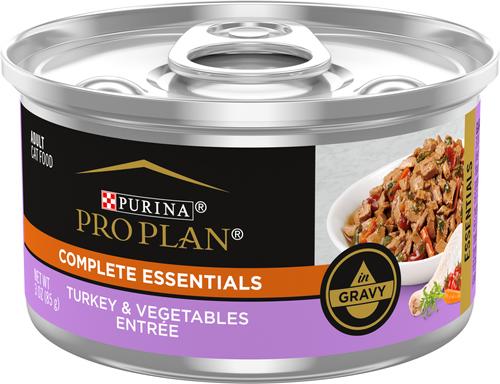
Purina Pro Plan Adult Turkey Vegetable
from
$42.72
A meaty, vet-backed wet food in gravy that picky cats favor at breakfast, with reliable everyday nutrition.
Pros
- + Backed by Purina's extensive research and veterinary nutritionist team
- + Gravy texture is a strong draw for picky eaters per owner reviews
- + Frequently steeply discounted (up to 50% off first Autoship)
Cons
- – Gravy recipes tend to be higher in carbs than pure pates
- – Chunk size can be large for senior or toothless cats
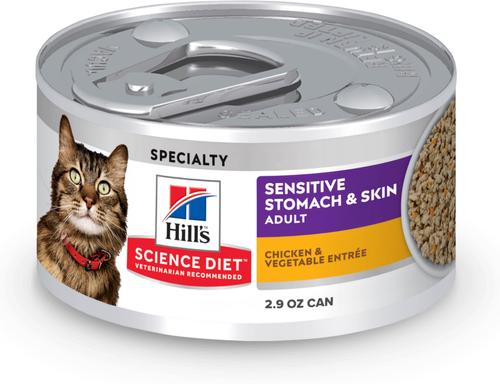
Hill's Science Diet Sensitive Stomach Skin
from
$47.5
A research-backed over-the-counter formula targeting cats with mild digestive upset and skin or coat issues.
Pros
- + Backed by years of research with reported improvements in coat, stool, and appetite
- + Prebiotic fiber plus omega-6 and vitamin E target gut and skin together
- + Over-the-counter, so no veterinary prescription required
Cons
- – Not suitable for cats with severe allergies needing a true limited-ingredient prescription diet
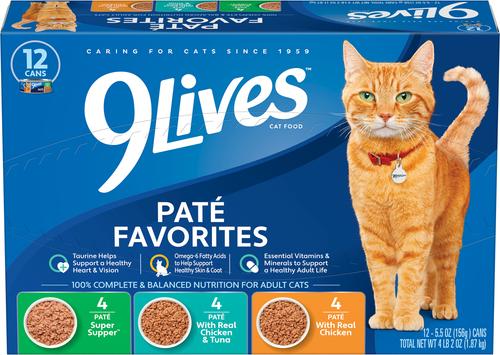
9Lives Wet Variety Pack
from
$8.89
A canned food fortified with taurine and key nutrients for wet feeding.
Pros
- + Fortified with taurine and nutrients supporting heart, vision, skin, and coat
- + High moisture content (84%) for good hydration
Cons
- – Higher in calories per can than some options, so portion control matters
- – Lower ingredient quality than premium brands
The verdict
Our top picks at a glance
Owners wanting a science-backed, widely available everyday dry food.
Indoor adult cats (ages 1–6) prone to weight gain or hairballs.
Owners who value research-driven, precisely portioned nutrition for indoor cats.
Picky eaters who want palatable wet food with flavor variety.
At a glance
How they compare
| Spec | Top pickPurina Pro Plan Complete Essentials Chicken | Hill's Science Diet Indoor Chicken | Royal Canin Indoor Adult |
|---|---|---|---|
| Price | $56.48 | $63.99 | $23.99 |
| Type | Dry kibble | Dry kibble | Dry kibble |
| Added | Live probiotics (Bacillus coagulans) + chicory-root prebiotic | ActivBiome+ prebiotic fiber blend | Fiber blend (pea fiber, psyllium) for hairballs |
| First Ingredient | Chicken | — | Chicken meal |
| Check price → | Check price → | Check price → |
Top 3 of 10 shown — full shortlist above.
The short answer
There’s no single best cat food, because the right choice depends on your cat’s life stage, health history, and how picky they are at the bowl. But if you want one dependable everyday pick, Purina Pro Plan Complete Essentials High Protein Chicken & Rice Formula is the safest default: it’s feeding-trial-tested, has real chicken as the first ingredient, 40% minimum crude protein, and guaranteed live probiotics, at a price that’s realistic for daily feeding.
For indoor cats prone to weight gain, Hill’s Science Diet Adult Indoor Chicken Recipe is the better call. For picky eaters who need hydration, Purina Fancy Feast Classic Pate Variety Pack or Weruva Paté Grand Prize solve that problem in different price tiers. For owners chasing a near-raw, high-meat profile, ZIWI Peak and Stella & Chewy’s Freeze-Dried Raw are the two most credible options here.
Below is how all ten stack up, plus the nutrition science worth knowing before you buy.
What actually makes a cat food good
Cats are obligate carnivores. That’s not marketing language, it’s biology: they need high-quality animal-based protein (a minimum of 26% for adults, 30% for kittens, on a dry-matter basis) and several nutrients that only come from animal tissue. Taurine is the big one. It’s essential for heart and eye health, and cats can’t get it from plants. Vitamin A is another: cats can’t convert beta-carotene the way dogs and humans do, so they need preformed vitamin A from animal sources.
Cats also have 41 essential nutrient requirements versus 37 for dogs, including specific needs for arachidonic acid and arginine. And their bodies aren’t built to process a lot of carbohydrate. Carb-heavy diets are linked to feline obesity and diabetes, largely because cats lack the enzyme efficiency to metabolize starches the way omnivores do.
Practically, that means when you’re comparing foods, look past the marketing panel and check:
- First ingredient: should be a named meat or meat meal (chicken, chicken meal), not a grain or generic “meat by-product.”
- Protein source, not just percentage: a food can hit a high protein number and still lean on plant protein fillers like corn gluten meal.
- AAFCO statement: look for “complete and balanced” for the correct life stage. This is the baseline safety and nutrition standard, not a luxury feature.
- Moisture content: dry kibble runs roughly 10% moisture; wet food runs 70-80%. Cats evolved with a low thirst drive and got most of their water from prey, so wet food does real hydration work that dry food doesn’t.
Best overall everyday food: Purina Pro Plan Complete Essentials
Real chicken is the first ingredient, crude protein sits at a strong 40% minimum, and Purina backs the formula with feeding trials and board-certified veterinary nutritionists rather than lab-only testing. It also includes live probiotics (Bacillus coagulans) and a chicory-root prebiotic for digestive support, which is a step beyond what most mainstream dry foods offer.
The trade-off: it does contain corn protein meal and by-product meal, ingredients some owners actively avoid. And as a dry-only food, it does none of the hydration heavy-lifting that wet food does. If your cat is a healthy adult and you want one reliable bag to reorder, this is it. If your cat has a sensitive stomach, is indoor-only, or needs more moisture, look further down this list.
Best for indoor cats prone to weight gain: Hill’s Science Diet Adult Indoor
Indoor cats burn fewer calories and are more prone to hairballs, and this formula is built around both facts: 319 kcal/cup (notably lower than many standard dry foods) and an ActivBiome+ prebiotic fiber blend aimed at improving stool quality and hairball control. Hill’s is also the most-recommended brand among U.S. veterinarians, and the formula is AAFCO feeding-trial tested rather than just lab-formulated.
Protein sits at 31% and fat at 11.5%, both lower than the Purina Pro Plan option above, which can make it less immediately palatable during a food transition. It also leans on corn and wheat as prominent ingredients. Still, for a cat that’s gained weight or struggles with hairballs, the calorie control matters more than a protein-percentage bragging right.
Best for research-driven indoor nutrition: Royal Canin Feline Health Nutrition Indoor Adult
Royal Canin’s pitch is precision: over 200 vet- and nutritionist-developed formulas, 500,000+ quality analyses run annually, and a kibble shape and fiber blend (pea fiber, psyllium) specifically engineered for indoor cats and hairball control. It’s also sold in small bag sizes, which is genuinely useful if you want to trial a food before committing to a 15-pound bag your cat might reject.
The ingredient list relies heavily on corn, brewers rice, and corn gluten meal, so it’s not a fit for owners wanting a grain-free or high-meat-first formula. And cost-per-pound climbs fast if you’re buying only the small trial bags long-term. Best suited to owners who want Royal Canin’s clinical-feeling formulation and don’t mind a corn-forward ingredient panel.
Best for picky eaters (budget wet food): Purina Fancy Feast Classic Pate Variety Pack
Fancy Feast’s enduring popularity isn’t hype: the pate texture and flavor variety (Chicken, Turkey & Giblets, Beef) reliably win over cats that reject other wet foods. It’s grain-free, made in U.S. facilities, and skips artificial colors and preservatives. At 78% max moisture, it does the hydration job wet food is supposed to do.
The catch is protein: 10-11% minimum crude protein is on the low end for wet food, and it does contain meat by-products and added salt and guar gum. Treat this as a palatable, affordable way to get more moisture into a picky cat’s diet, not as your most nutrient-dense option.
Best high-meat, near-raw wet food: ZIWI Peak Chicken Recipe
ZIWI Peak is built differently from most canned food: 92% real New Zealand meat, organs, and bone, ethically sourced from free-range farms with no recall history. It includes green-lipped mussel for natural glucosamine and chondroitin, a nice bonus for joint support that most wet foods don’t offer. For owners specifically seeking a low-carb, high-meat, minimally processed profile, this is the most credible option on this list.
It uses chickpea as a binder (worth knowing if you’re avoiding legumes) and runs fairly high in fat, which per owner reports didn’t sit well with every cat’s stomach. It’s also priced at the premium end. Good for a carnivore-focused cat with no fat sensitivity; not the first choice for a cat with a delicate stomach.
Best freeze-dried raw option: Stella & Chewy’s Freeze-Dried Raw Cat Dinner Morsels
Worth a caveat up front: raw and homemade diets in general lack strong scientific evidence of added health benefits over quality commercial food, and carry real food-safety risk from pathogens and parasites, which is why veterinary nutritionists generally recommend against DIY raw feeding. Stella & Chewy’s addresses the safety piece with HPP (high-pressure processing) and freeze-drying, and the result is 98% animal protein (meat, organs, and bone) with taurine and probiotics added, and a genuinely short, clean ingredient list that suits sensitive stomachs and picky eaters.
It’s shelf-stable and travels well, which is a real advantage over frozen raw. The downside is practical: it’s a dry-format food, so you need to add water to rehydrate it properly, an extra step some owners skip, which changes the moisture benefit you’re paying for.
Best low-carb wet pate without gums or carrageenan: Weruva Paté Grand Prize
Weruva uses named, bone-free proteins (cage-free chicken, wild-caught tuna) in a smooth, hydrating purée, and skips carrageenan, grain, corn, wheat, and soy entirely. That ingredient discipline is rare in mainstream wet food and makes it a strong pick for owners who’ve read one too many pet-food ingredient panel and want something cleaner.
It costs more than supermarket wet food, and the lower fat content may underwhelm cats used to richer pates like ZIWI Peak or Fancy Feast. Best for cats who dislike chunky or shredded textures and do well on a smooth purée.
Best wet food to pair with a Pro Plan dry diet: Purina Pro Plan Complete Essentials Turkey & Vegetable Entrée in Gravy
If you’re already feeding the Pro Plan dry formula above, this gravy entrée is the natural wet companion, backed by the same 85+ years of Purina research and 400+ staff scientists. The gravy texture is consistently cited as a strong draw for picky eaters, and it’s frequently discounted heavily on autoship.
Gravy recipes run higher in carbs than pure pates, which matters if you’re managing a diabetic or overweight cat, and the chunk size can be large for seniors or cats with dental issues. It’s a solid complement, not a stand-alone solution for a cat with special nutritional needs.
Best over-the-counter option for sensitive stomachs: Hill’s Science Diet Sensitive Stomach & Skin
Available in both dry and wet formats, this formula targets digestive upset and coat/skin issues with prebiotic fiber plus omega-6 fatty acids and vitamin E, and it’s backed by research showing improvements in stool quality, coat condition, and appetite. Critically, it’s over-the-counter, so you don’t need a vet visit and prescription to try it, unlike Hill’s z/d or i/d lines.
It’s not a substitute for a true prescription diet if your cat has severe food allergies or diagnosed IBD. Think of it as the first, reasonable step before escalating to a vet-prescribed elimination diet.
Best budget wet food to add moisture: 9Lives Wet Cat Food
9Lives is fortified with taurine and delivers a genuinely high 84% moisture content at a low price, which makes it a reasonable way to add hydration to a mostly-dry diet without a big budget commitment. It’s ground in texture and easy for cats of any age to eat.
It runs higher in calories per can than premium wet foods, so portion control matters more, and the overall ingredient quality trails every premium option on this list. Use it as an added-moisture, added-treat option rather than a primary diet if you can budget for better.
How to choose between them
Start with life stage and health status, not brand loyalty. A healthy indoor adult cat has different needs than a kitten, a senior, or a cat with a diagnosed sensitivity. From there:
- Healthy adult, no issues: Purina Pro Plan Complete Essentials (dry) is the safest all-purpose pick.
- Indoor, overweight, or hairball-prone: Hill’s Science Diet Adult Indoor or Royal Canin Indoor Adult.
- Picky eater: start with Fancy Feast for budget, move to Weruva or ZIWI Peak if budget allows.
- Sensitive stomach or skin: Hill’s Science Diet Sensitive Stomach & Skin, over-the-counter, no prescription needed.
- Wants raw-style nutrition without the safety risk of DIY raw: Stella & Chewy’s freeze-dried.
Whatever you land on, check for an AAFCO “complete and balanced” statement matching your cat’s life stage. That’s the actual floor for nutritional adequacy, everything else is refinement on top of it. And remember that obesity, not any single ingredient, is the most common nutrition-related problem vets see: overweight cats are roughly 4.5 times more likely to develop diabetes, so calorie count matters as much as ingredient quality.
Can cats eat cheese?
Most cats shouldn’t eat cheese regularly. Cats are lactose intolerant to varying degrees since they lose the enzyme needed to digest dairy sugar after kittenhood, and cheese is also high in fat and salt relative to a cat’s needs. A tiny taste won’t hurt an otherwise healthy cat, but it offers no nutritional benefit and can cause digestive upset.
Can cats eat eggs?
Fully cooked eggs are safe for cats in small amounts and provide easily digestible protein. Raw eggs should be avoided, they carry salmonella risk and contain avidin, which blocks biotin absorption. Treat eggs as an occasional topper, not a diet replacement, since they don’t provide taurine or the full nutrient profile a cat needs.
Can cats taste sweet?
No. Cats lack the taste receptor gene for sweetness, so unlike dogs or humans, they genuinely can’t perceive sugary flavors. This is part of why cats are obligate carnivores by both biology and preference: their palate evolved entirely around detecting amino acids and fat, not sugar.
Can cats eat dog food occasionally?
An occasional bite of dog food won’t harm a healthy cat, but dog food isn’t formulated to meet feline nutritional needs and shouldn’t be fed regularly. Dog food lacks adequate taurine and arachidonic acid, both of which cats can’t synthesize themselves, and long-term feeding can lead to serious deficiencies including heart problems.
Can cats have peanut butter?
Plain peanut butter in tiny amounts isn’t toxic to cats, but it offers no nutritional benefit and its thick texture can be a choking hazard or cause digestive upset. It’s also calorie-dense and provides plant protein, which does nothing to meet a cat’s animal-protein requirements. There’s no real reason to feed it.
Can dogs eat cat food?
An occasional bite won’t hurt a dog, but regular feeding is a problem in the other direction: cat food is much higher in protein and fat than dogs need, which can lead to weight gain, pancreatitis risk, and digestive upset over time. Cat food is formulated around feline requirements like taurine levels, not canine ones, so it’s not a suitable substitute for dog food.
Can cats eat bread?
Plain, fully baked bread in small amounts isn’t toxic to cats, but it has zero nutritional value for an obligate carnivore and is pure carbohydrate filler. Raw bread dough is genuinely dangerous, it can expand in the stomach and the yeast produces alcohol as it ferments, so that should never be given to a cat under any circumstance.
Bottom line
There’s no universal “best,” but there is a best fit for your specific cat. For most healthy adult cats, Purina Pro Plan Complete Essentials is the most defensible everyday choice on this list. Build from there based on whether your cat is indoor-only, prone to weight gain, picky, or dealing with a sensitive stomach, and always check for that AAFCO complete-and-balanced statement before anything else.
Sources
- Feeding Your Cat | Cornell University College of Veterinary Medicine
- Cat Nutrition Tips | ASPCA
- Nutrition - General Feeding Guidelines for Cats | VCA Animal Hospitals
- Proper Nutrition for Cats | Merck Veterinary Manual
- The Best Cat Foods for 2026: A Vet Tells All | Healthline
- Understanding Cat Nutrition: How to Read Food Labels and Choose Quality Food | Asheville Cat Weirdos
- Taurine in Cat Food: Essential Guide to Feline Health | The Pet Vet
- The Best Cat Food for a Healthy Feline | PetSmart Learning Center
FAQ
Frequently asked questions
- Is wet or dry food better for cats?
- Neither is universally better; both can be complete and balanced if they meet AAFCO standards. Wet food's real advantage is hydration (70-80% moisture versus roughly 10% in dry kibble), since cats evolved with a low thirst drive and got most of their water from prey. Many vets recommend a combined approach: wet food as the hydration foundation, dry food as a convenient supplement.
- Does dry food clean cats' teeth?
- No, this is a persistent myth. Regular dry kibble does not meaningfully clean a cat's teeth; only dental diets specifically certified by the Veterinary Oral Health Council (VOHC) have proven dental benefits. If dental health is a concern, ask your vet about a VOHC-certified product rather than assuming any dry food will do the job.
- Is grain-free cat food better for cats?
- Not inherently. Recent research shows grain-free formulas often deliver higher protein and fat content closer to a cat's natural needs, but the grain-free label itself isn't what matters, overall formulation quality is. There's also no established link between grain-free diets and heart disease in healthy cats; historic feline heart issues were traced to taurine deficiency, which has since been corrected in commercial formulas.
- Can cats be fed a vegetarian or vegan diet?
- No, vegetarian and vegan diets are not recommended for cats. As obligate carnivores, cats require taurine and arachidonic acid, nutrients that occur only in animal tissue and cannot be adequately replaced by plant-based ingredients. A vegan diet risks serious deficiencies, including heart and vision problems linked to taurine deficiency.