Buying guide
Best Cat Food in 2026: 10 Picks Compared by Type, Budget & Need
By Mara Ellison · Senior reviews editor
Last updated
We earn commissions from links on this page, at no cost to you. Our picks stay independent. How we research & rank →
Our picks
Ranked, with the trade-offs
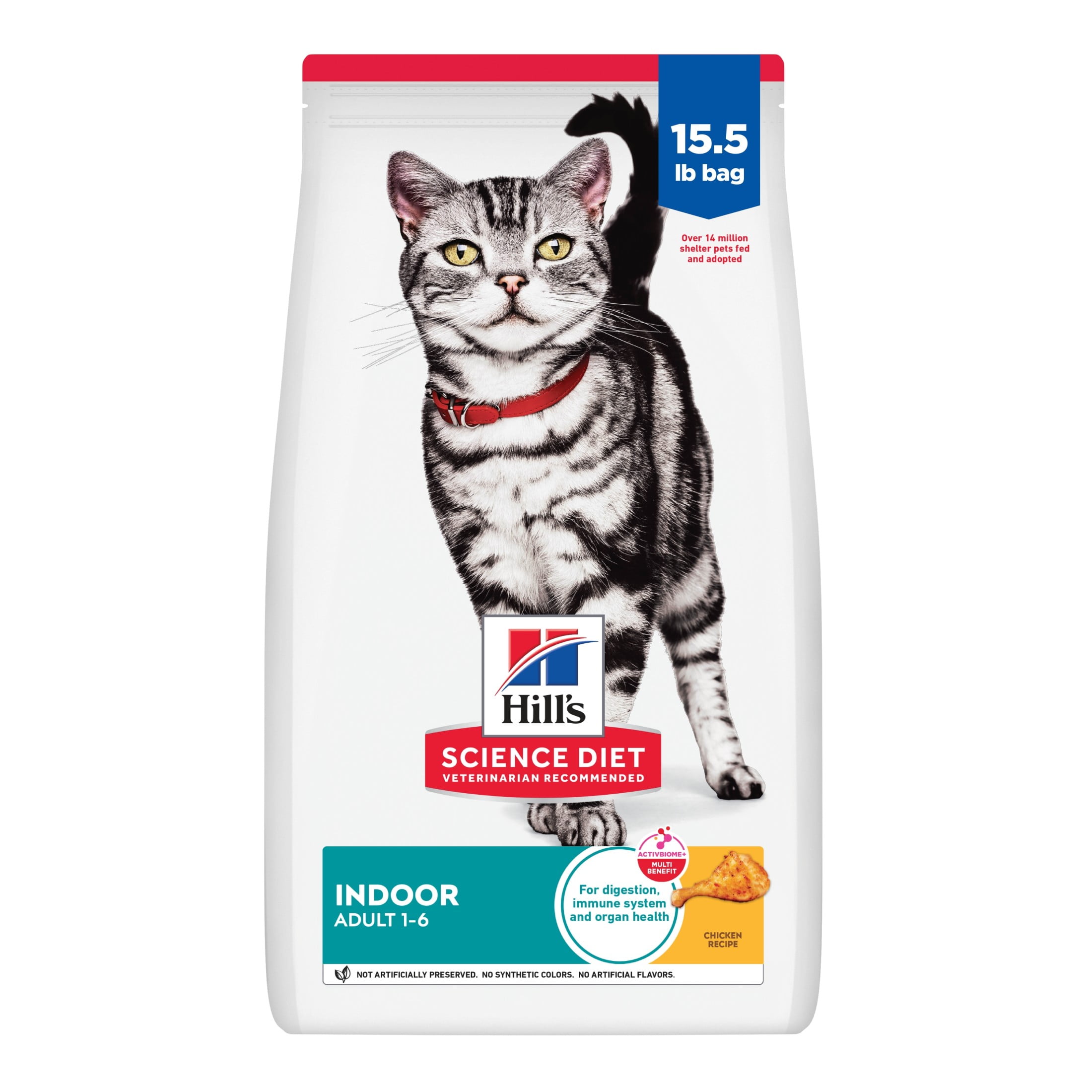
Hill's Science Diet Indoor Chicken
from
$63.99
A vet-recommended, science-backed indoor kibble that supports skin, coat, and easy litter box cleanup.
Pros
- + High-quality protein supports lean muscle, with omega-6 and vitamin E for skin and coat health
- + Contains ActivBiome+ prebiotic fibers and antioxidants for digestive and immune support
- + U.S. veterinarians' #1 recommended brand, with widely trusted formulation
Cons
- – Some cats reject the larger, firmer kibble shape based on owner reviews
- – Uses corn gluten meal as a protein source, which some owners prefer to avoid
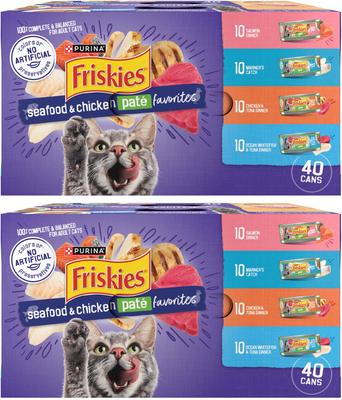
Purina Friskies Seafood Sensations
from
$65.52
A budget-friendly, all-life-stages seafood-flavored kibble that picky and multi-cat households gravitate toward.
Pros
- + Very affordable per pound, making it practical for multi-cat households
- + Provides 100% complete and balanced nutrition for all life stages
- + Contains protein for muscles plus taurine and vitamin A for vision support
Cons
- – Contains GMO grains and poultry by-product meal that some owners avoid
- – Lower-tier ingredient quality compared with premium brands
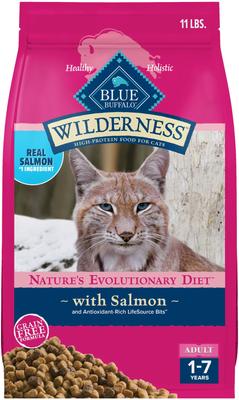
Blue Buffalo Wilderness Salmon Grain-Free
from
$44.98
A grain-free, high-protein kibble with real salmon first and antioxidant-rich LifeSource Bits.
Pros
- + Real salmon is the first ingredient, providing strong animal-based protein and omega-3s
- + Free of corn, wheat, soy, chicken by-product meals, artificial flavors, and preservatives
- + Antioxidant-rich LifeSource Bits support immune health; resealable bag
Cons
- – Contains pea protein, peas, and tapioca, raising the plant-based content
- – Higher carbohydrate level than some premium grain-free competitors
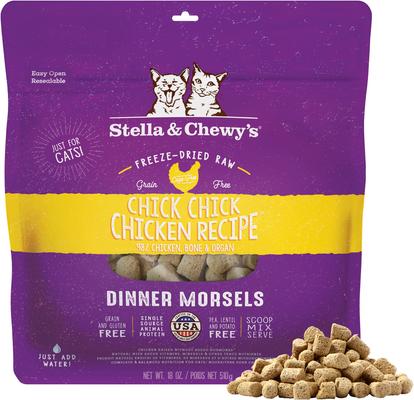
Stella & Chewy's Chicken Freeze-Dried Morsels
from
$46.97
A premium freeze-dried raw food made with 98% cage-free chicken, organs, and bone for picky or sensitive cats.
Pros
- + 98% meat, organs, and bone with limited ingredients, ideal for cats with sensitivities
- + Made in the USA with cage-free chicken and added taurine and probiotics
- + Can serve as a complete meal or a crave-worthy topper
Cons
- – Premium price point per pound versus standard kibble
- – Raw diets carry bacterial concerns that some veterinarians caution against
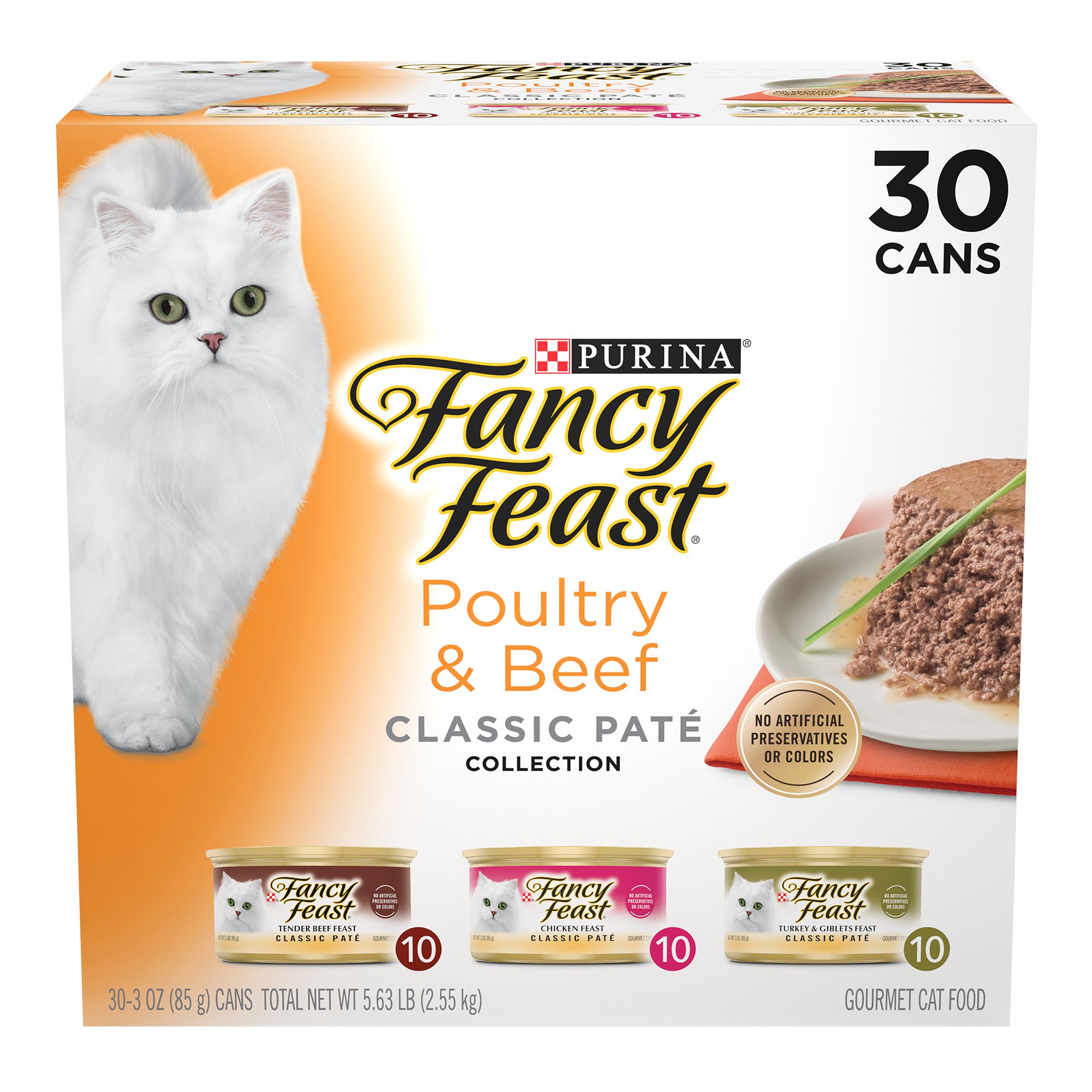
Fancy Feast Classic Poultry Beef Pate
from
$28.06
A widely loved gourmet pate variety pack with real meat first and a smooth texture cats crave.
Pros
- + Real meat or poultry is the #1 ingredient, with grain-free recipes
- + Smooth pate texture is highly palatable, even for picky and senior cats
- + Made in U.S. facilities without artificial colors or preservatives
Cons
- – Contains meat by-products and added artificial/natural flavors
- – Small 3-oz cans mean frequent feeding for larger cats
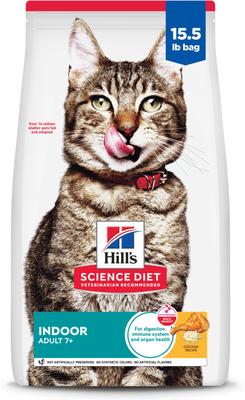
Hill's Science Diet Senior 7+ Indoor Chicken
from
$64.99
A senior-targeted indoor kibble supporting heart, kidney, bladder, and digestive health in older cats.
Pros
- + Antioxidants and balanced minerals support heart, kidney, and bladder health
- + Natural fibers aid digestion and easy litter box cleanup
- + Omega-6 and vitamin E noticeably improved coat and reduced shedding per owners
Cons
- – Kibble is larger and firm, which can be hard for cats with dental issues
- – Some cats refuse it despite eating the regular Senior 7+ formula
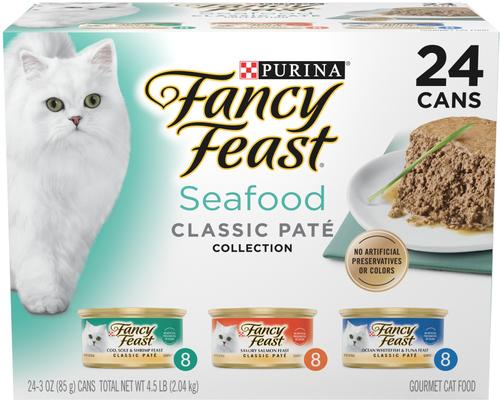
Fancy Feast Classic Seafood Feast
from
$22.86
A seafood-focused smooth pate variety pack with real cod, salmon, whitefish, tuna, and shrimp.
Pros
- + Real seafood as the primary ingredient across three flavors
- + Smooth finely ground pate appeals to picky and older cats
- + Made in U.S. facilities and provides complete, balanced nutrition for adults
Cons
- – Some owners report visible fish bones in certain fish flavors
- – Variety pack flavor ratios can be uneven within a case
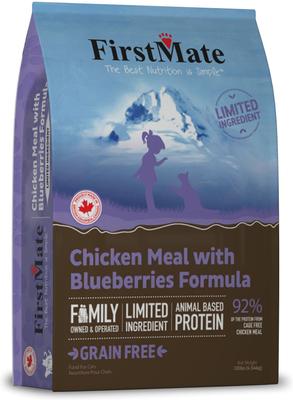
FirstMate Chicken Blueberries Limited Ingredient
from
$44.99
A limited-ingredient, single-animal-protein kibble that ranked as a top overall pick for nutrition and digestibility.
Pros
- + Cage-free chicken is the first ingredient and sole animal protein source
- + Limited ingredient list improves digestibility and reduces sensitivity triggers
- + High 40% crude protein on a dry matter basis
Cons
- – Limited single-protein focus won't suit cats needing protein rotation
- – Premium positioning means a higher price than mainstream kibble
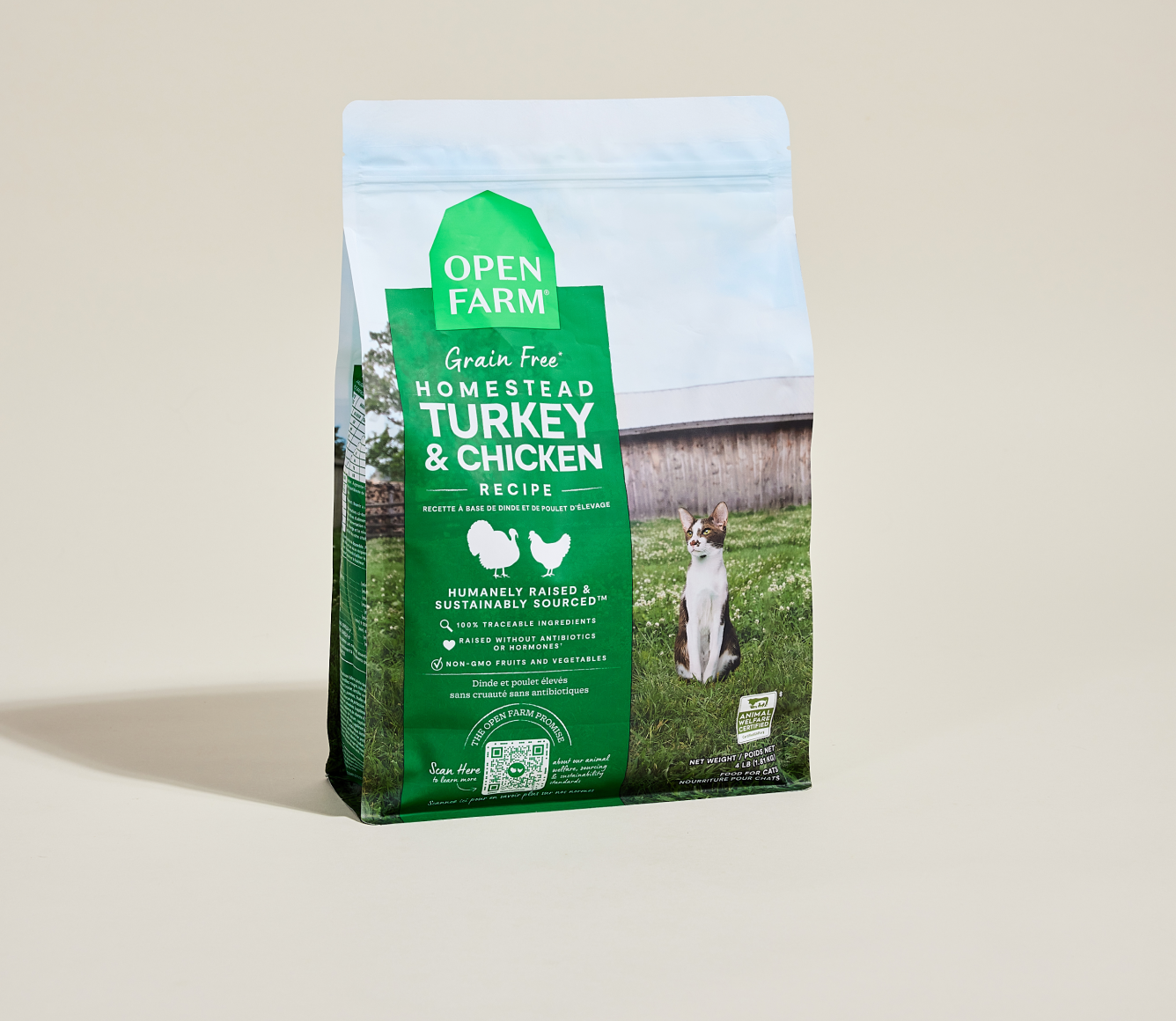
Open Farm Homestead Turkey Chicken
from
$47.99
An above-average grain-free kibble from an ethically sourced Canadian brand with balanced macronutrients.
Pros
- + High 41.1% protein on a dry matter basis from quality poultry
- + Locally sourced ingredients meeting strict animal welfare standards
- + Formulated with the full range of macronutrients, vitamins, and minerals cats need
Cons
- – Carbohydrate content is moderately high at ~30.9% dry matter
- – Premium pricing reflects the ethically sourced ingredients

Smalls Fresh Human-Grade Bird
from
See price
A subscription-based, human-grade fresh food cooked then frozen, with very high protein and low carbs.
Pros
- + Very high protein and very low carbohydrate profile, close to a cat's natural diet
- + Made from human-grade ingredients in a human-grade facility near Chicago
- + Cooked to lock in nutrients then frozen for freshness
Cons
- – Among the most expensive options and requires a subscription
- – Needs freezer storage and refrigeration after thawing
The verdict
Our top picks at a glance
Owners of indoor adult cats (1-6 years) who want a trusted, vet-endorsed mainstream dry food.
Budget-conscious owners and multi-cat homes wanting an affordable, palatable everyday kibble.
Owners wanting a higher-protein, grain-free kibble without corn, wheat, soy, or poultry by-products.
Owners of picky eaters or cats with food sensitivities who want minimally processed raw nutrition.
At a glance
How they compare
| Spec | Top pickHill's Science Diet Indoor Chicken | Purina Friskies Seafood Sensations | Blue Buffalo Wilderness Salmon Grain-Free |
|---|---|---|---|
| Price | $63.99 | $65.52 | $44.98 |
| Type | Dry kibble (indoor formula) | Dry kibble | Grain-free dry kibble |
| Bag size | 15.5 lb | 22 lb (also 16/30 lb) | 11 lb (also 4/5/9.5/15 lb) |
| Life stage | Adult (1-6 years) | All life stages | Adult |
| Check price → | Check price → | Check price → |
Top 3 of 10 shown — full shortlist above.
The best cat food for most households is Hill’s Science Diet Adult Indoor Chicken Recipe ($60.99, ~$3.94/lb), because it’s the U.S. veterinarians’ #1 recommended brand, follows the kind of expert-backed formulation that matters more than any single ingredient, and most indoor adult cats do well on it. But “best” depends heavily on your cat’s age, your budget, and whether you’re feeding a picky eater or a multi-cat zoo. Below I’ve compared ten foods across dry, wet, raw, and fresh, on consistent criteria: AAFCO compliance, protein quality, ingredient transparency, and what owners actually report.
A quick note on how I evaluate these: I research specs, manufacturer data, AAFCO standards, and aggregated owner reviews. I haven’t fed these to a test colony of cats. What I can do is cut through marketing and tell you where each one genuinely fits.
What actually makes a cat food good
Cats are obligate carnivores. They need named animal protein, plus taurine, arachidonic acid, and preformed vitamin A that they can’t make efficiently from plants. Taurine deficiency caused dilated cardiomyopathy in cats before manufacturers started supplementing it in 1987, so any food worth buying has it covered.
Three things matter more than the buzzwords on the bag:
- “Complete and balanced” on the label. This means it meets AAFCO nutritional standards (minimum 26% crude protein for adults, 30% for kittens). AAFCO itself doesn’t test products, so the better signal is whether the food was formulated by board-certified veterinary nutritionists, which is what the WSAVA guidelines push for.
- A named protein first in the ingredient list. Chicken, salmon, turkey. By the way, meat by-products aren’t the villain the internet says they are; they’re nutrient-dense and regulated. They’re just not what premium buyers want to pay for.
- The food matches your cat’s life stage. Kittens, adults, and seniors have genuinely different needs, and spayed/neutered cats need fewer calories than the bag suggests.
Grain-free is mostly marketing for cats. True grain allergies are rare; most food allergies involve proteins like beef, fish, or chicken. The FDA’s DCM investigation centered on dogs, and evidence in cats remains inconclusive. A well-formulated grain-inclusive food is not inferior to a grain-free one.
Best overall: Hill’s Science Diet Adult Indoor Chicken Recipe
$60.99 (15.5 lb, ~$3.94/lb). Best for indoor adult cats 1-6 years.
This is the safe, smart default. It’s the most-recommended brand among U.S. vets, with ActivBiome+ prebiotic fibers for digestion, omega-6 and vitamin E for coat health, and a formula built around the kind of research consensus I trust more than ingredient-panel theater. The indoor formula is calibrated for lower-activity cats, which helps with weight and litter box cleanup.
The trade-offs: it uses corn gluten meal as a protein source, which premium buyers avoid (it’s not harmful, just not what everyone wants), and a fair number of owners report their cats reject the larger, firmer kibble. If your cat is fussy about texture, buy a small bag first.
Best budget / multi-cat: Purina Friskies Seafood Sensations
$27.98 (22-30 lb bag). Best for budget-conscious and multi-cat homes.
When you’re feeding three cats, cost per pound is real. Friskies is complete and balanced for all life stages, includes taurine and vitamin A, and cats tend to love the seafood flavor. For a household on a budget, this keeps everyone fed without drama.
It’s lower-tier on ingredients, with GMO grains and poultry by-product meal. That’s the honest cost of the price. It nourishes a healthy cat fine; it’s just not where I’d go if your cat has sensitivities or you want premium sourcing.
Best grain-free: Blue Buffalo Wilderness Salmon Recipe
11 lb bag (also 4/5/9.5/15 lb). Best for owners who want grain-free without poultry by-products.
Deboned salmon is the first ingredient, it skips corn, wheat, soy, and chicken by-product meals, and the antioxidant LifeSource Bits are a nice touch. The resealable bag is genuinely useful.
Here’s where I’d push back on the marketing: “grain-free” leans on pea protein, peas, and tapioca, so the plant content is higher than the salmon-forward branding implies, and carbs sit around 28.9% on a dry matter basis. It’s a solid food. Just don’t buy it expecting grain-free to be a health upgrade for a cat without an actual sensitivity.
Best for picky eaters: Stella & Chewy’s Chick Chick Chicken Freeze-Dried Raw
18 oz bag (~10 cups). Best for finicky cats or cats with sensitivities.
This is 98% cage-free chicken, organs, and bone, with limited ingredients (no grain, gluten, peas, lentils, or potato), added taurine and probiotics, made in the USA. For a cat that turns up its nose at everything or reacts to filler-heavy foods, this is about as clean as it gets. It works as a full meal or a topper to bribe a holdout into eating.
Two honest caveats. It’s expensive per pound. And it’s raw: even freeze-dried, some veterinarians caution against raw diets because of bacterial risk (Salmonella, Listeria), particularly in homes with immunocompromised people. Freeze-drying reduces but doesn’t fully eliminate that risk. Decide with that in mind.
Best affordable wet food: Fancy Feast Classic Poultry & Beef Pate
30-can variety pack, 3 oz cans. Best for variety-loving cats who need more moisture.
Wet food is worth considering for most cats. It runs 75-80% moisture versus under 10% for kibble, which helps hydration, urinary health, and cats who just don’t drink enough water. This variety pack puts real chicken, turkey, or beef first, the smooth pate is famously palatable even for seniors, and the price per can is low.
It does contain meat by-products and added flavors, and the 3-oz cans mean a bigger cat needs several a day. For seafood lovers, the Fancy Feast Classic Seafood Feast Variety Pack (24 cans) leads with cod, salmon, whitefish, tuna, and shrimp instead, though some owners report visible fish bones and uneven flavor ratios in a case.
Best for senior cats: Hill’s Science Diet Senior Adult 7+ Indoor Chicken
15.5 lb bag (also 7 lb). Best for indoor cats 7 and older.
Senior cats benefit from formulas supporting kidney and heart health and maintaining muscle. This one targets exactly that, with balanced minerals, antioxidants, and natural fibers for digestion. Owners consistently mention better coat and less shedding.
The kibble is large and firm, which is a problem for older cats with dental issues, the exact group buying senior food. If your cat’s teeth are rough, pair it with or switch to wet food.
Best limited-ingredient: FirstMate Chicken Meal with Blueberries
Limited-ingredient dry kibble. Best for cats with dietary sensitivities.
A strong pick for sensitive cats: cage-free chicken is the first ingredient and the only animal protein, the short ingredient list reduces sensitivity triggers, and it hits a high 40% crude protein on a dry matter basis. For elimination diets or cats that react to multi-protein foods, single-protein simplicity is the point.
That same focus is the limitation. If your cat does better with protein rotation, a single-source food works against you. It’s also priced above mainstream kibble.
Best ethical sourcing: Open Farm Grain-Free Homestead Turkey & Chicken
Grain-free dry kibble. Best for owners who care about traceable, humane sourcing.
Open Farm is the pick if where your food comes from matters to you. It’s a Canadian brand with locally sourced ingredients meeting strict animal welfare standards and full traceability, plus a high 41.1% dry-matter protein from quality poultry. Macronutrients, vitamins, and minerals are well covered.
Carbs sit around 30.9% dry matter, on the higher side for a premium grain-free food, and you pay for the ethics. Reasonable trade-offs if sourcing is a priority.
Best fresh / human-grade: Smalls Fresh Human-Grade Ground Bird
Subscription fresh/frozen. Best for finicky cats and owners who want premium fresh food delivered.
This is the closest thing here to a cat’s natural diet: 55.4% protein and just 6.3% carbs on a dry matter basis, human-grade ingredients prepared in a human-grade facility near Chicago, cooked to lock in nutrients then frozen. Picky cats tend to inhale it, and unlike raw, it’s cooked.
It’s among the most expensive options, requires a subscription, and needs freezer space plus refrigeration after thawing. This is a commitment of money and logistics, not a grab-a-bag option.
Wet vs. dry: which should you feed?
There’s no universal winner. Both can keep a cat healthy when complete and balanced.
- Wet food delivers 75-80% moisture, which genuinely helps cats with kidney disease, urinary issues, or low water intake. It’s also easier for seniors and dental cases.
- Dry food is cheaper, more convenient, and easy to portion. The catch is free-feeding kibble; studies link it to obesity because owners lose track of how much disappears from the bowl.
Many owners do well with a mix: measured wet meals plus some dry. Whatever you pick, portion it rather than leaving an unlimited bowl out.
How long does it take a cat to digest food?
A cat typically takes around 10 to 20 hours to fully digest a meal, far longer than humans, because their digestive tract is built for processing meat. This is also why you transition foods slowly: switch over 7 to 10 days, mixing increasing amounts of the new food into the old, to avoid stomach upset. Cats develop strong learned food preferences, so a gradual change also helps a picky cat accept something new.
How to choose the right one for your cat
Start with life stage and any health needs, then match to your budget:
- Healthy indoor adult, no issues: Hill’s Science Diet Indoor, or Friskies if budget is tight.
- Picky or sensitive cat: Stella & Chewy’s freeze-dried, FirstMate, or Smalls fresh.
- Senior (7+): Hill’s Senior 7+, ideally alongside wet food for hydration.
- Wants more moisture in the diet: Fancy Feast pate, or any wet food worked into the routine.
- Cares about sourcing or grain-free: Open Farm or Blue Buffalo Wilderness.
Two rules that apply across all of them: keep treats under 10-15% of daily calories, and skip homemade diets unless a veterinary nutritionist designs them. A study of over 100 home recipes found every single one deficient in at least one essential nutrient. And don’t go vegetarian or vegan with a cat, ever; obligate carnivores can’t thrive on it.
Sources
- Feeding Your Cat | Cornell University College of Veterinary Medicine
- The Best Cat Foods for 2026: A Vet Tells All | Healthline
- A Guide to Selecting Cat Food | Cat Care Society
- “Complete and Balanced” Pet Food | FDA
- Grain-Free Diets for Dogs and Cats: An Updated Review | PMC/NIH
- Is Grain-Free Cat Food Safe? What the Research Shows in 2026 | Hurray Pets
- Grain-Free Cat Food: Pros, Cons & How to Choose Safely | PetPlace
- Nutritional Requirements of Small Animals | Merck Veterinary Manual
FAQ
Frequently asked questions
- Is cat food bad for dogs?
- Cat food isn't toxic to dogs, but it's not appropriate as a regular diet. It's formulated for obligate carnivores, so it's much higher in protein and fat than dogs need, which can cause weight gain, digestive upset, or pancreatitis over time. An occasional stolen bite is usually harmless, but dogs should eat food formulated for dogs.
- Is grain-free cat food healthier?
- Not for most cats. True grain allergies are rare in cats, and food allergies typically involve proteins like beef, fish, or chicken rather than grains. A properly formulated grain-inclusive food with adequate animal protein and taurine is just as healthy as grain-free. Choose based on your cat's specific sensitivities, not the marketing.
- How tall should a cat food bowl be?
- A raised bowl roughly 2 to 4 inches off the floor suits most cats, letting them eat without crouching deeply, which is easier on the neck and can reduce regurgitation in some cats. Wide, shallow bowls also help, since they avoid pressing on a cat's sensitive whiskers. The right height depends on your cat's size, so watch their posture while they eat.
- Are meat by-products in cat food bad?
- No. Meat by-products are nutrient-rich, AAFCO-regulated ingredients like organs that are a natural part of a carnivore's diet, not low-quality filler. Premium brands often avoid them for marketing reasons, but they aren't harmful or nutritionally inferior. The bigger quality signal is whether a named animal protein appears first on the label.
- Should I free-feed my cat?
- Portion control is generally better than free-feeding. Studies link free-feeding dry food to obesity because owners lose track of how much a cat actually eats. Measure meals based on your cat's weight and activity, and use treats sparingly, keeping them under 10 to 15 percent of daily calories.